Phase 01
Alignment
Getting clear before getting busy for the next 12 weeks.
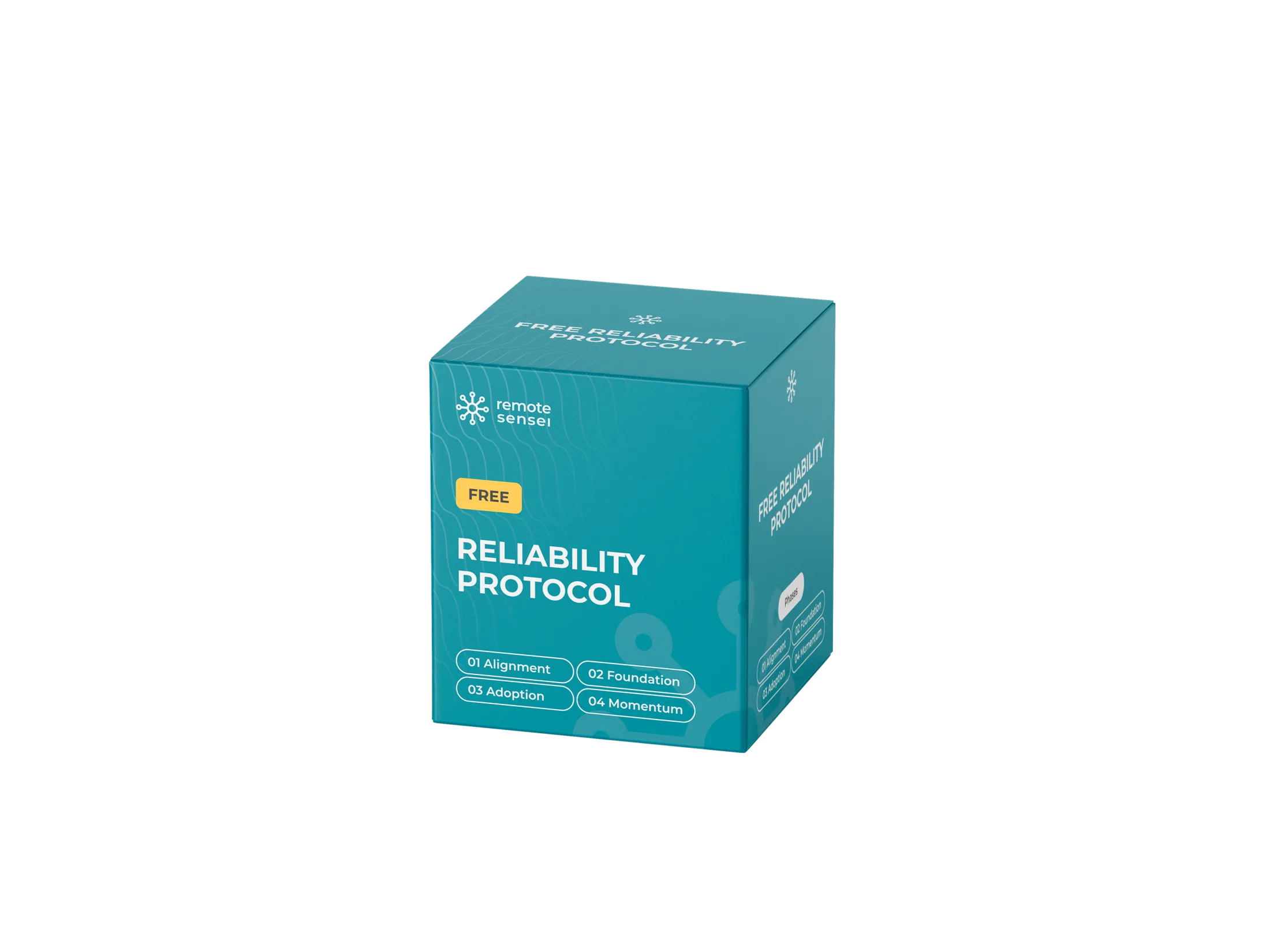
 The Reliability Protocol
15 years in the making. The exact methodology behind $30,000 work culture transformations we use to make Asana & AI actually stick.
Explore free. Get the per-stage toolkit by email.

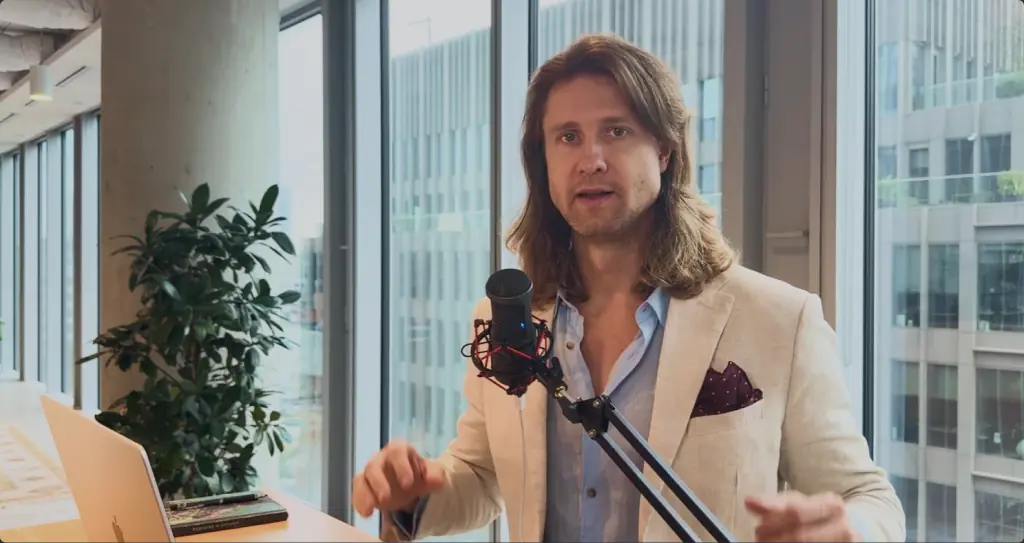
In 2013, Oskar was running a business from a cabin in the middle of a Siberian forest. No shared office. No oversight.
One question kept him up at night:
"How do I make sure the work I delegate actually gets done — when I can't see my team?"
That question never went away. It became a methodology. The methodology became a framework.
Tested across 200+ organisations.
Never publicly available — until now.
Built for teams at any starting point. Read in order. Most impactful insight is in the beginning - which most teams skip and pay for in Adoption phase.
Phase 03
Where most teams fail when they do trial-and-error approach. Four stages that turn a launch into a habit.
Checklists
what to deliver at each stage
Meeting agendas + scripts
for the workshops in each stage
Step-by-step walkthroughs
Asana configuration or even conversation scripts
Most methods changing how people work don't survive contact with real-world scenarios.
This one did — across 15 years and 200+ implementations. We changed it after every failure.
What you're reading is what's survived all tests.
This framework lets you introduce AI in your processes to amplify people instead of replacing them. Without the right approach, AI just accelerates the patterns already in your team.
If those patterns are broken — meetings where the next step is another meeting, delegation without clarity, ad-hoc work eating planned work — AI makes that worse, not better.
The Protocol is what installs the underlying discipline.
Asana now. AI on top of the stack. Or whatever ships next, or the year after. The discipline outlasts the platform - that’s what makes this useful and timeless. And the ROI compounds - with each month your company follows it, with each team you add.
Managers and directors who explored the framework before hiring us are the best to work with. They have realistic scope and clear expectations. They skip the "just give me a workshop on Asana" phase.
Hire us or run it yourself - either path works for us.
The managers who never call us still win, because they ran a real transformation using the Reliability Protocol, instead of paying for a 1-2 day training from consultants the team forgets by the next quarter.
Tour the framework, try it yourself, see how far you get. If your team needs more than a playbook — we're here.























Diagnose your team's roadblocks next Tuesday. Tcoolkit gives you the right questions to ask, meeting agenda and follow-up checklist. No prep from scratch.
All 15 stages
readable today, from alignment to momentum
Toolkit by email per stage
checklists, agendas, walkthroughs, schematics
Stage drops weekly
one stage's toolkit ships to subscribers each week
No. The Protocol works on any platform. Asana is what we specialize in and what the toolkits show — but the discipline (stages, conventions, workshops) is platform-agnostic. Teams running change management initiatives on ClickUp, Monday, or Jira get the same value from the framework. The tool changes; the discipline doesn't.
Most frameworks fail not because the content is bad, but because the reader never gets to action. The Reliability Protocol is built differently: each stage ships with one near-term action you can run with your team that week. Stage 1's toolkit, for example, lets you run your first diagnostic in a week from now — all questions, meeting agenda, follow-up checklist is there. You don't need to absorb the whole framework before you start.
Free to read all 15 stages. Free per-stage toolkit by email. What we charge for is the part you can't download: a senior operator in the room, 12 weeks instead of 12 months, and a 94% chance it's still running a year after we leave. Full engagements start at $7,000.
Yes. Some teams already have. The framework is built so a manager can self-diagnose, run it internally, or bring us in if the do-it-yourself approach stalls. Either path works.
8-12 weeks in a paid engagement. Self-paced, it varies by team capacity and existing maturity — but most insight lives in the first three stages, and most failure happens in the Adoption phase (Stages 9–12). Reading the framework first lets you skip the failure pattern.
Managers and operators at 50–500 person organisations. You’ve already tried Asana, Monday, or ClickUp — and probably bolted AI on top. None of it stuck. Work still moves slower than it should, hand-offs between teams still break, and people still ask “what am I supposed to be doing this week?” Talent isn’t the problem - throughput is. That’s the case we built this for.
Most “Asana consultants” facilitate a 1–2 day training and leave. We do something different: a 12-week implementation covering diagnosis, change alliance, launch, and consolidation — the parts that decide whether the system sticks past month three. We’ve run this 200+ times. That’s what a paid engagement gets you. We’re confident enough in the methodology to publish it in full — now free.
We don't run more than a handful of implementations at once. The Protocol depends on senior operators in the room when it gets hard. Throwing junior facilitators at those moments breaks the 94% permanent change rate. So sometimes demand outpaces capacity. That's part of why we published the full framework — teams that can't wait can start without us. If your timeline is tight, book the call early.