Claude
 ChatGPT
 Gemini
Four problems usually block an Asana rollout in a public institution: you can’t buy it against a VAT invoice, there’s no support in Polish, the rollout turns chaotic, and the plan doesn’t fit your needs. New work management tools hit the market all the time, yet many of them stay out of reach for Polish businesses and institutions. Is the lack of an invoice stopping you from buying a work management tool too? Or maybe something else is holding you back, like:
- no interface or support in Polish,
- complicated, unintuitive controls,
- worry about rolling it out on your own.
Believe me, you’re not alone. Below you’ll find each of these problems, along with a proven way to solve it.
| What you’ll learn | In short |
|---|---|
| Why do public institutions struggle to buy Asana? | The standard purchase requires a payment card, while a public institution needs a VAT invoice to pay by bank transfer. |
| How do you buy Asana with a VAT invoice? | Remote Sensei, an Asana partner in Poland, issues VAT invoices in PLN, EUR and USD with payment terms of up to 30 days. |
| Does Asana offer support in Polish? | Yes. Asana’s interface is available in Polish, and Remote Sensei provides training and support in Polish. |
| How do you avoid a chaotic rollout? | Base your rollout plan on a solid analysis of your organizational structure and your team’s habits, not on gut feeling alone. |
| How do you match the Asana plan to your needs? | Use the free trial, with a strategist on hand, to test the features before you buy. |
Where do Asana rollout problems in public institutions come from?
Problems with rolling out Asana and similar tools come from the fact that most work management software is built in the US and isn’t adapted to local markets, including Polish accounting requirements. The most sensitive moment is the purchase itself, which is usually possible by card only. These limits effectively stop the app from ever making it into companies and public institutions.
Polish organizations most often struggle with:
- having to pay by card,
- no interface in Polish,
- no regular support,
- features that don’t match their needs,
- no clear strategy for rolling out the tool.
Problem 1: no VAT invoice, a dead end for public institutions
Solution: Asana with a VAT invoice
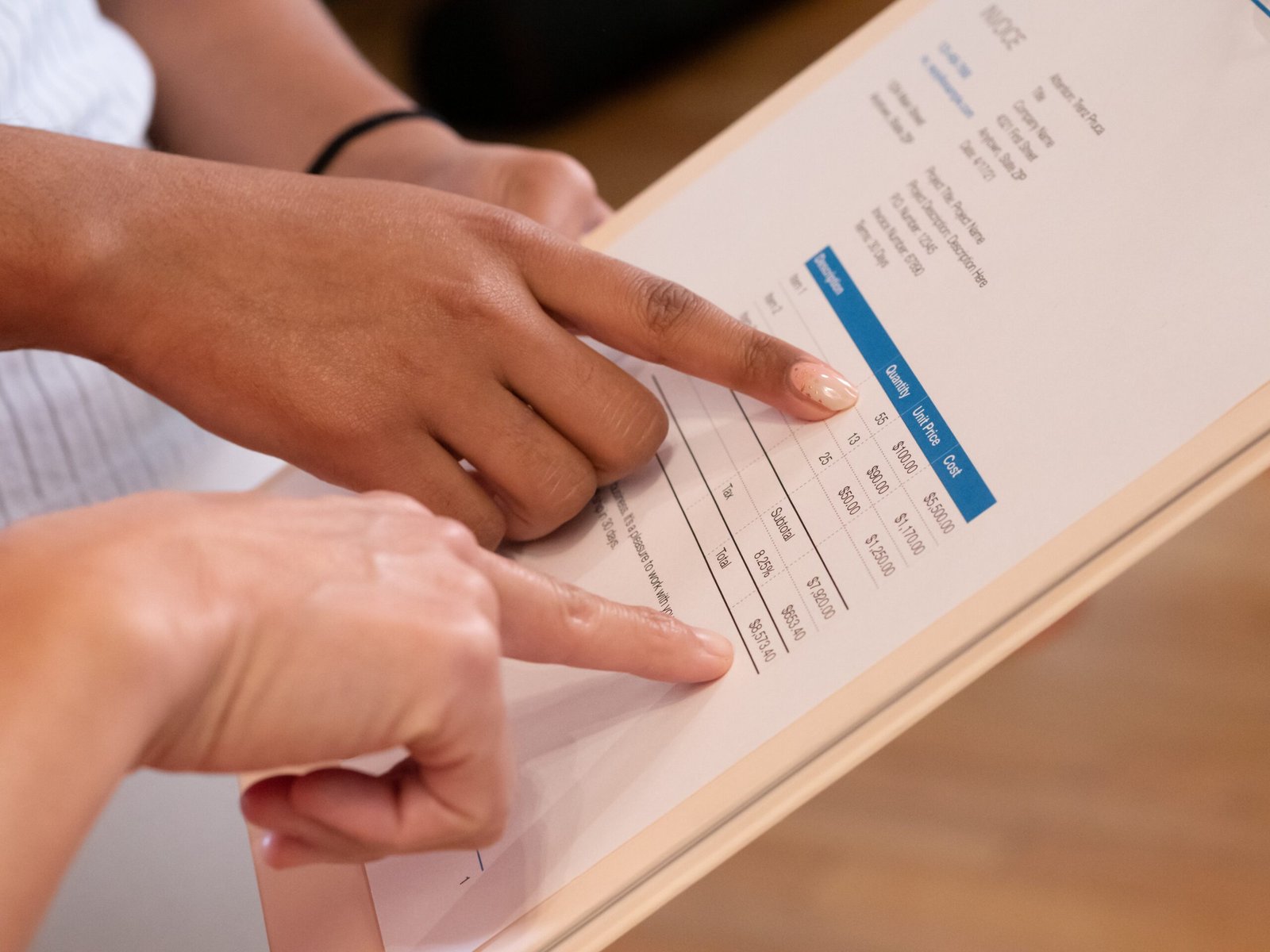
No VAT invoice means no rollout, because a public institution can’t make a bank transfer without an accounting document, and the standard way to buy Asana is by card. Large institutions such as ministries and banks ran into this, and so did smaller public bodies like theaters, municipal cultural centers and local government offices.
Asana solved the problem by appointing Remote Sensei as its main partner in Poland. Our job is to help Polish organizations and institutions roll out Asana and cut the cost of using it. We issue VAT invoices in PLN, EUR and USD, with flexible options that fit your accounting requirements.
What you get:
- financial transparency, with payment against a VAT invoice in the currency you choose (PLN, EUR, USD);
- less accounting work, thanks to a single annual payment;
- payment terms of up to 30 days;
- ongoing training and technical support from Remote Sensei specialists.
Accounting is only one piece of the puzzle we’ve solved. Asana is a US product, and its original interface was built in English. So how do you make it work in a Polish institution? We’ve broken down the language barrier. Here’s how.
Problem 2: no Asana support in Polish
Solution: work with an Asana partner in Poland
No support in Polish is a hurdle that often stalls the rollout of a project management tool, or kills it altogether. Popular desktop and mobile apps usually offer help only on paid plans, in English, and most often by email only. When you’re rolling out a large business management app, that creates chaos: remote teams lose productivity, information stops flowing where it should, and bad decisions follow.

So what did Asana do? First, it introduced a Polish interface, available even on the free plan. As Asana grows more popular in Poland, its makers keep developing the tool for Polish-speaking users. That matters, because Asana is a long-term tool: once it’s rolled out well, it becomes part of how the organization runs.
On top of that, Asana’s policy is to adapt to the needs of the Polish market. That’s why Remote Sensei is accredited to run training and provide every kind of support. At Remote Sensei you’ll get that help in Polish, English and Spanish.
What you get from the Asana trial:
- you’ll get to know all of Asana’s features;
- you’ll rebuild your organization’s structure in it;
- you’ll move your processes into Asana and keep it in sync with your work culture;
- you’ll shape the flow of information around your needs.
Problem 3: chaos when you roll out a project management app on your own
Solution: a strategy and a guide
Chaos when rolling out a project management app usually comes from not having a well-thought-out strategy. Most organizations make the mistake of believing they can go through digital transformation on their own, often without any groundwork or a proper plan of action. What you actually need is an analysis of the organization’s situation and structure, and of your people’s needs and habits. That gives you the full picture, so you can fit the tool precisely to how you manage and to the specific areas where you’ll use it. It’s also the foundation for your rollout strategy.

With Asana, Remote Sensei takes on the role of guide. These are exactly the challenges we tackle in Stages 6-8 of the Reliability Protocol (the Foundation phase), from mapping your workflows and agreeing on work conventions to configuring Asana itself. That’s the stage, not the license purchase, where most do-it-yourself rollouts fall apart. What you get:
- a smooth path through digital transformation;
- the option to integrate your other digital tools with specialists looking over your shoulder;
- far less chaos from a botched switch to new apps;
- new shared patterns and processes for remote work.
Problem 4: Asana’s paid features don’t match your needs
Solution: a free trial with a strategist on hand
The Asana plan ends up not matching your needs because many organizations pick a plan without any preparation. The people in charge of the rollout trust their gut or whatever write-ups they find online. That’s a mistake. With a pile of duties and priorities, it’s hard to find time for testing new tools, even though you can feel that digital transformation is your chance to work better and get more done. Here are the most common differences between rolling out Asana on your own and rolling it out with a strategist:
| On your own | With a strategist | |
|---|---|---|
| Free 14-day trial | ✅ | ✅ |
| Access to features | ✅ | ✅ |
| Full knowledge of the features | ❌ | ✅ |
| Knowledge of best practices | ❌ | ✅ |
| Experience running digital transformation | ❌ | ✅ |
| A dedicated project | ❌ | ✅ |
| The most effective rollout in the shortest possible time | ❌ | ✅ |
| Asana adapted to your people’s needs | ❌ | ✅ |
All the more reason to use the free trial. It comes with support from a strategist who’ll help you analyze your current processes, so the final plan fits the reality of your organization. It takes 3 simple steps:
- You choose the free trial and get access within one business day. From then on, you can test and check Asana for the next 30 days. You’ll also get an invitation to a free demo, where you’ll learn what the tool can do.
- You book a meeting with our advisor, who maps out your needs and how your organization works. The goal of the phone call is to match the best of Asana’s dozens of features to exactly what your organization does.
- You check which Asana plan works best for you, and roll it out with full support from Remote Sensei.
Curious what you gain by subscribing to Asana through Remote Sensei? Want to bring the tool into your company or institution? If you’d like to check first how ready your organization is for this kind of rollout, take the short Reliability Diagnostic. In a few minutes you’ll see where to start.
Frequently asked questions
What does rolling out Asana in a public institution involve?
Rolling out Asana in a public institution covers buying the tool against a VAT invoice, configuring it to fit the organization’s structure, training the team and an adoption strategy. In Poland, Remote Sensei, an official Asana partner, supports you through the whole process.
How do you buy Asana with a VAT invoice in Poland?
You can buy Asana against a VAT invoice through Remote Sensei, an Asana partner in Poland. Invoices are issued in PLN, EUR and USD, with payment terms of up to 30 days.
Does Asana have a Polish interface?
Yes. Asana offers a Polish interface, available even on the free plan, which makes it easier for Polish companies and public institutions to adopt the tool.
Where can you get technical support for Asana in Polish?
Remote Sensei is accredited to run Asana training and provides technical support in Polish, English and Spanish.
Why do do-it-yourself project management tool rollouts fail?
Most often because there’s no rollout strategy. Organizations carry their old habits into the new tool without analyzing their processes, their structure or their people’s needs.
Can you test Asana before you buy?
Yes, there’s a free trial. With support from a Remote Sensei strategist, you’ll test the features and pick the plan that fits your organization’s needs.